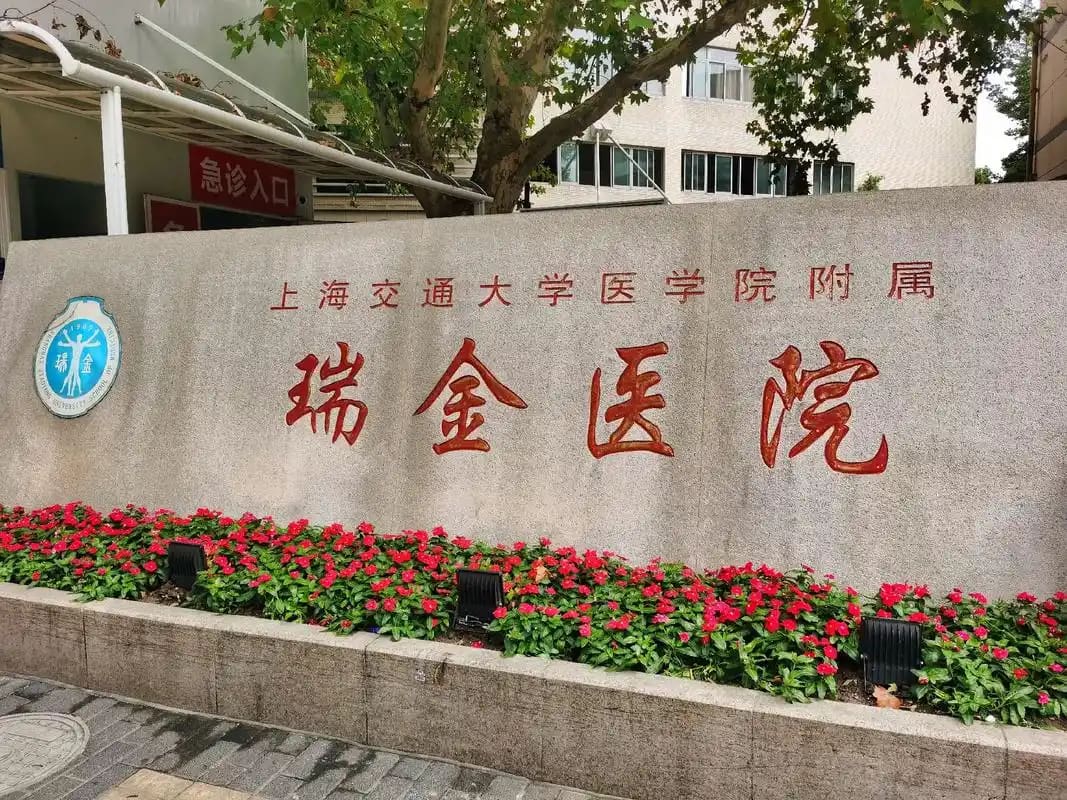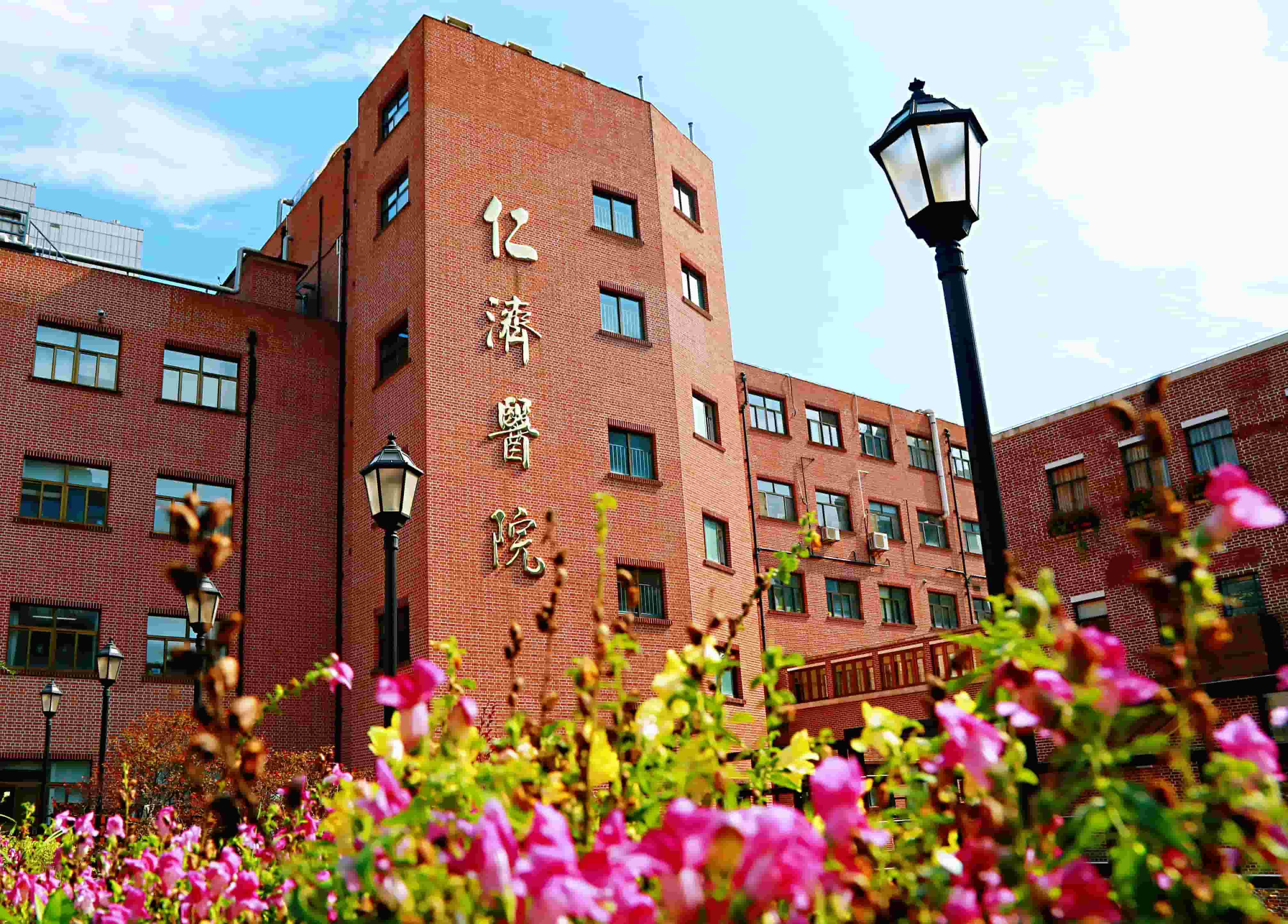
Renji Hospital, School of Medicine, Shanghai Jiao Tong University
Hospital Overview/Profile:
Renji Hospital was founded in 1844 and is the first Western medicine hospital established in Shanghai after the city opened as a port. The hospital currently consists of four campuses—East, West, South, and North—along with the Shanghai Cancer Institute, forming a comprehensive Grade-A tertiary hospital with a complete range of disciplines, integrating medical services, teaching, and scientific research. The hospital has been recognized as a Shanghai Civilized Unit for 16 consecutive terms, awarded the National Civilized Unit title for three consecutive sessions, and received an A grade in the annual performance evaluation by the Shanghai Shenkang Hospital Development Center for 17 consecutive years.The East Campus is located in the Lujiazui Financial and Trade Zone in Pudong and was completed and put into use in October 1999. The West Campus is situated in the central business district of Huangpu District, adjacent to the Bund. The South Campus is located in Pujiang Town, Minhang District, completed and operational in December 2012, and fully integrated into Renji Hospital on October 20, 2020. The North Campus is located at Juye Road and Lingshan Road and was fully operational in July 2013. The Cancer Institute is located on Xietu Road and officially merged with Renji Hospital under the "integration of institute and hospital" model in October 2010.
Project Overview/Profile:
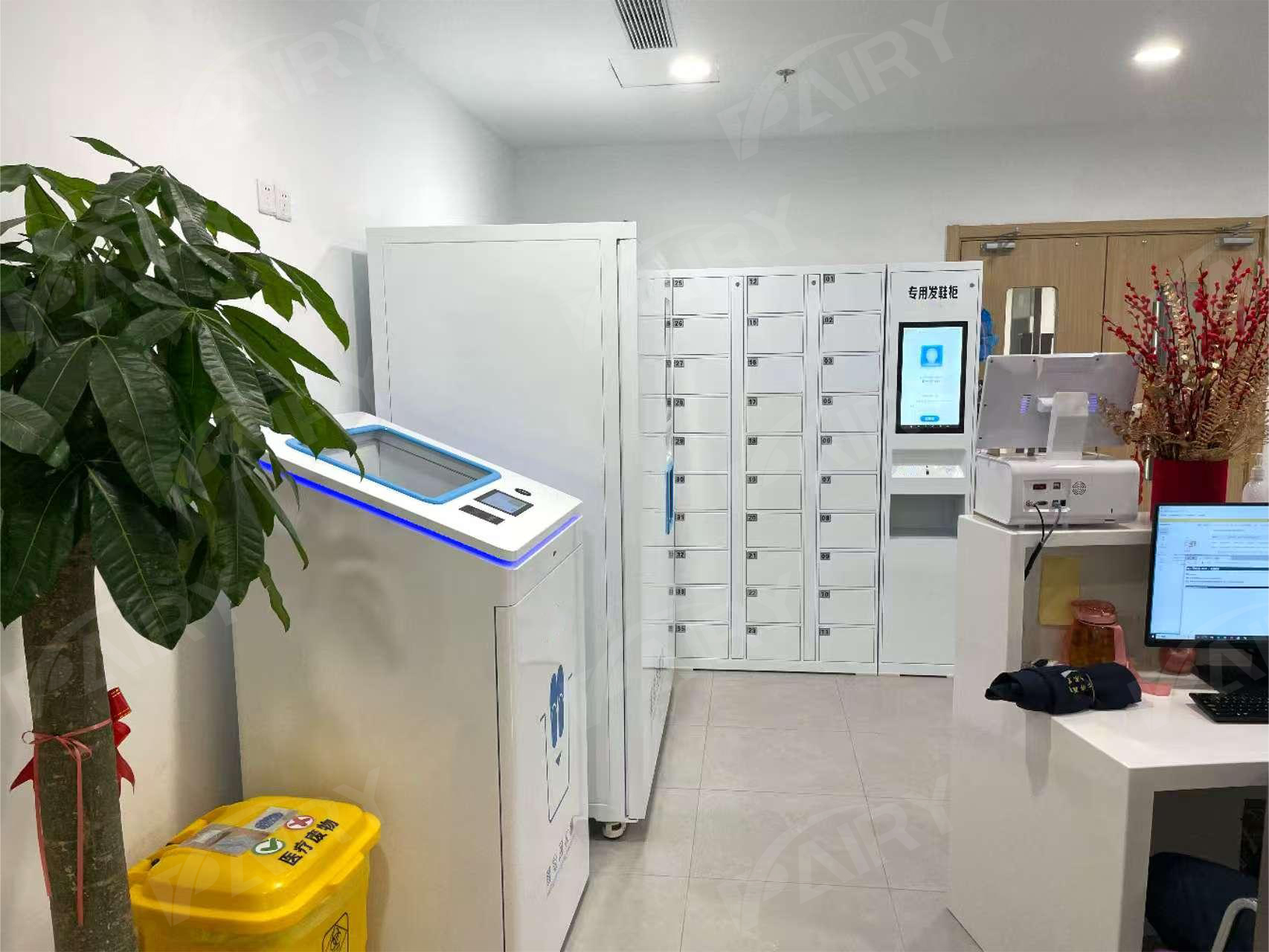
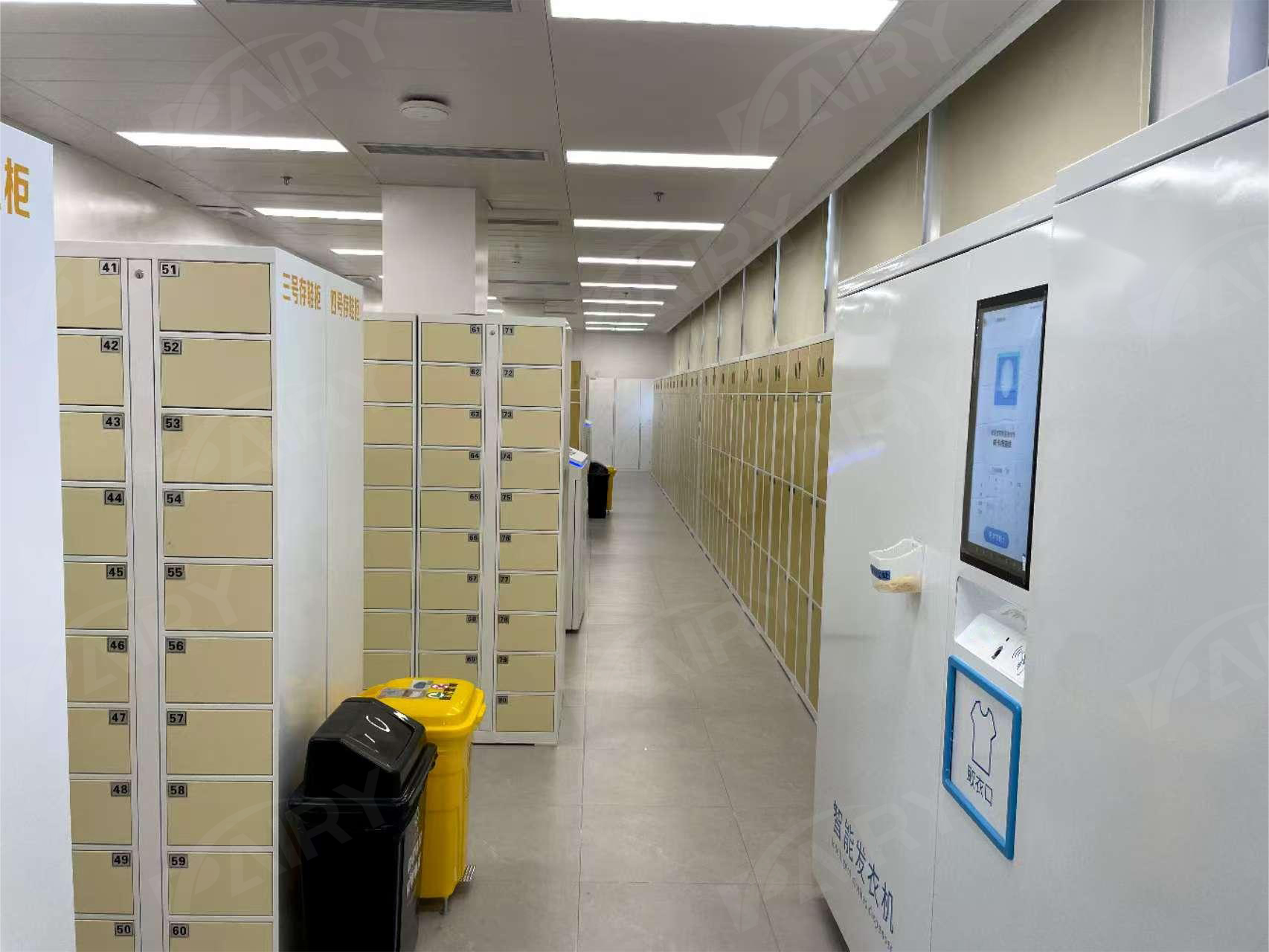
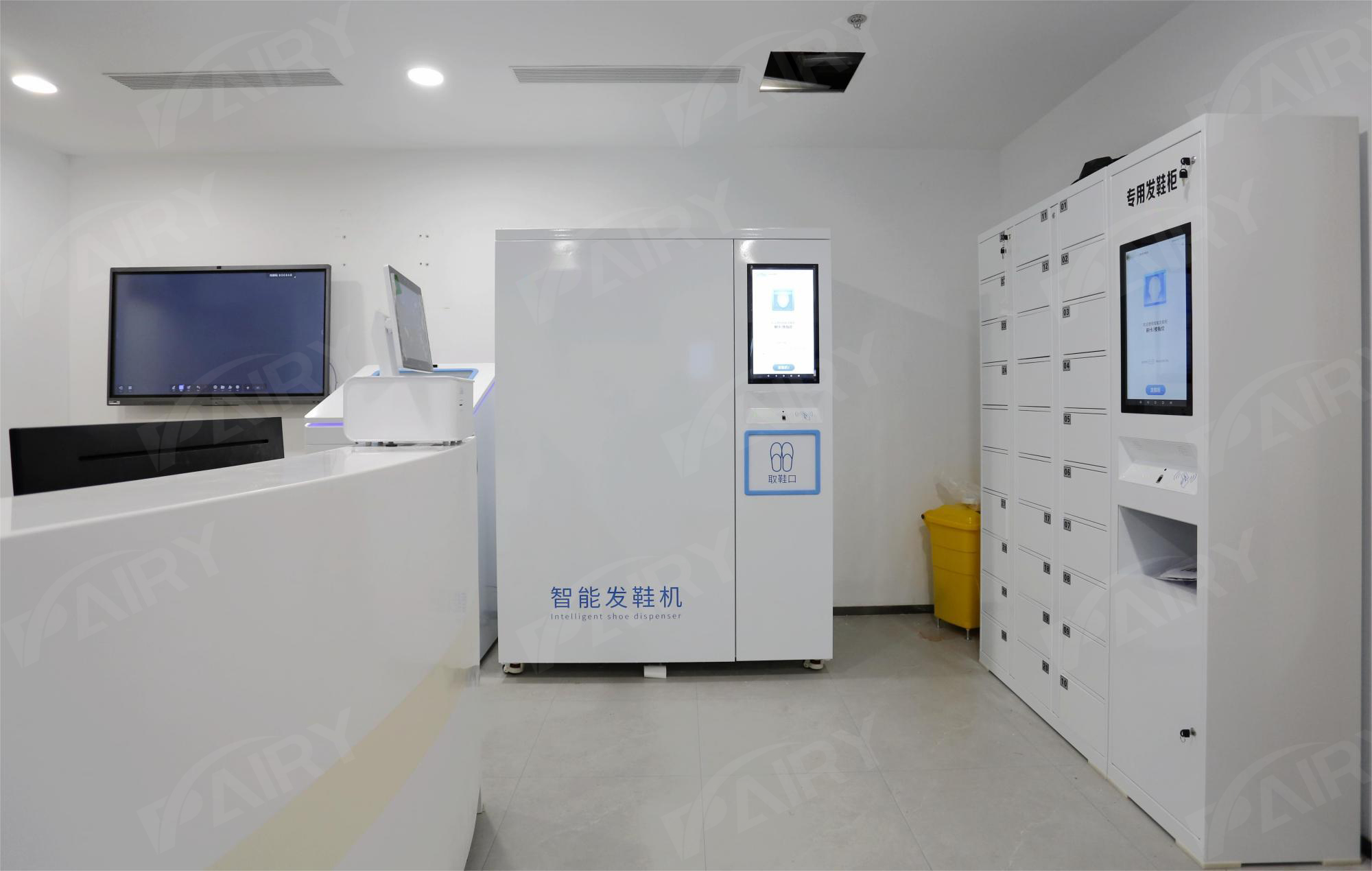
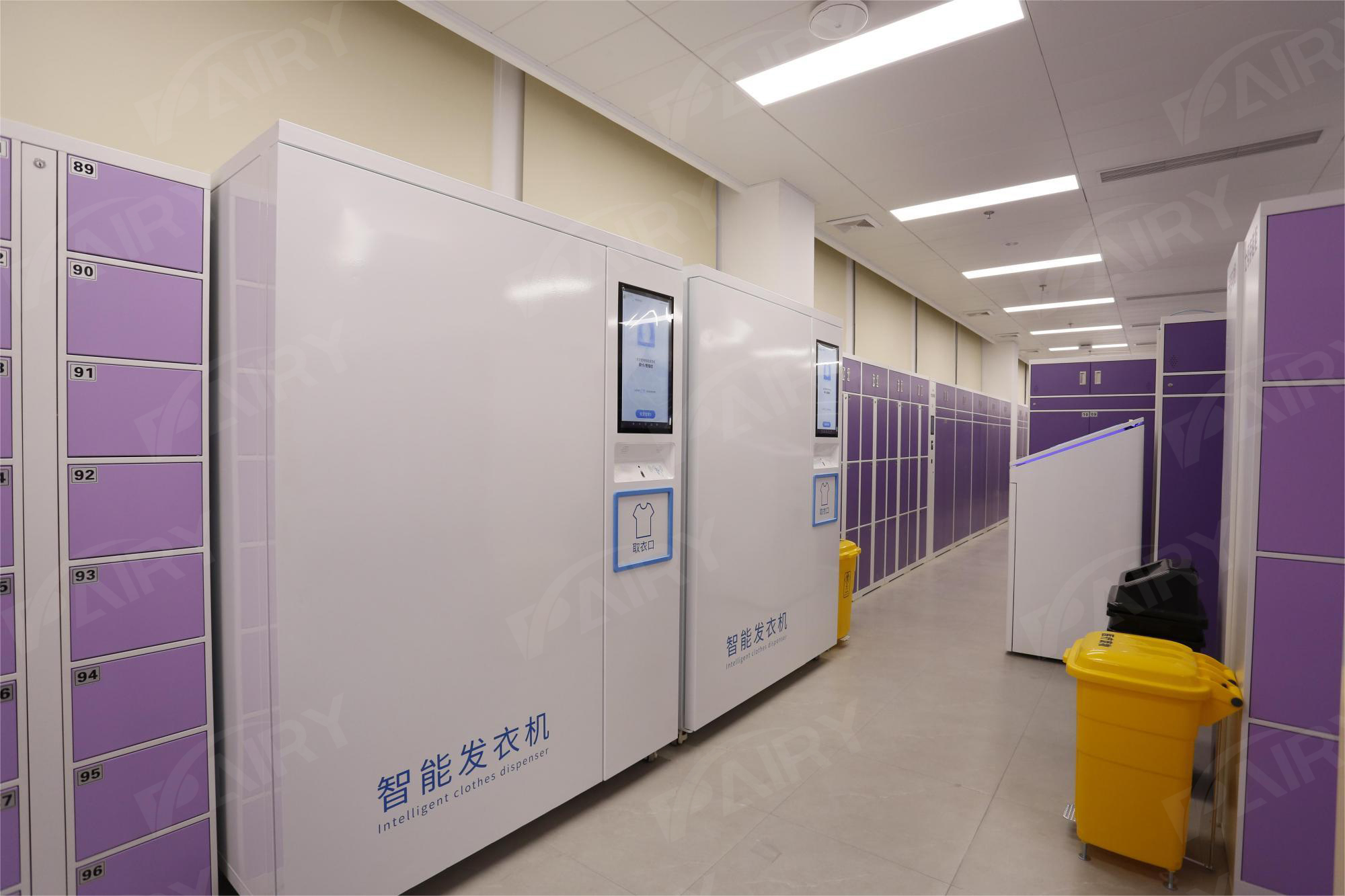
The Operating Room Medical Behavior Management System provided by Changzhou Pairy Intelligent for Shanghai Renji Hospital primarily includes an access control admission system, intelligent uniform dispensers, intelligent shoe dispensers, intelligent storage lockers (changing room lockers), intelligent clothing collectors, shoe collectors (recycling machines), large-screen announcement systems, and more. This system achieves secure access control for operating room personnel, intelligent dispensing and recycling of surgical gowns, shoes, and caps, as well as item traceability. It reduces non-compliant behavior, ensures the cleanliness and safety of the sterile operating room, and simultaneously contributes to enhancing the operational efficiency and management level of the operating room. It also plays a significant role in advancing the construction of digital operating rooms for smart hospitals.
Project Showcase/Exhibition: